

What is a structural grid?
A structural grid is a series of intersecting lines in a building model and drawings that help denote the placement of structural elements for a building. Structural elements refers to load-bearing walls, columns, beams, braces, etc. Each grid line is designated with a label, either a number, letter or combination and represents a line of structure. Grid lines are used to locate the structure on the job site and are a useful shorthand for the design team. For example, during a design meeting the architect could reference a column they’d like to move as “column A1” meaning this column is placed at the intersection of grids 1 and A. Typically the architectural team maintains control of the grid locations so there is one point of reference for all design consultants and the builder.
Why do we use structural grids?
Structural grids provide organization, alignment and efficiency, and are provided so that all parties working on a project understand the layout and relationship of building components. A grid line is a clear reference point for the position of structural elements to ensure alignment and help simplify the construction process. With an organized grid system, misalignments and inconsistencies are easily identified and avoided which reduces errors during construction. Structural grids also provide a framework for architects and engineers as they are designing to identify load paths and simplify the placement of structural components. A well planned and efficient grid system can results in opportunities for repetition which can speed up construction timelines . The structural grid system is a clear reference point for all consultants and simplifies communication between trades. If a grid line in the building model is ever moved by the design team, it is understood that the structural members along that grid will be moved to maintain alignment with that grid. This allows for clear and concise changes to be communicated to the design team.
What to avoid when designing a structural grid?
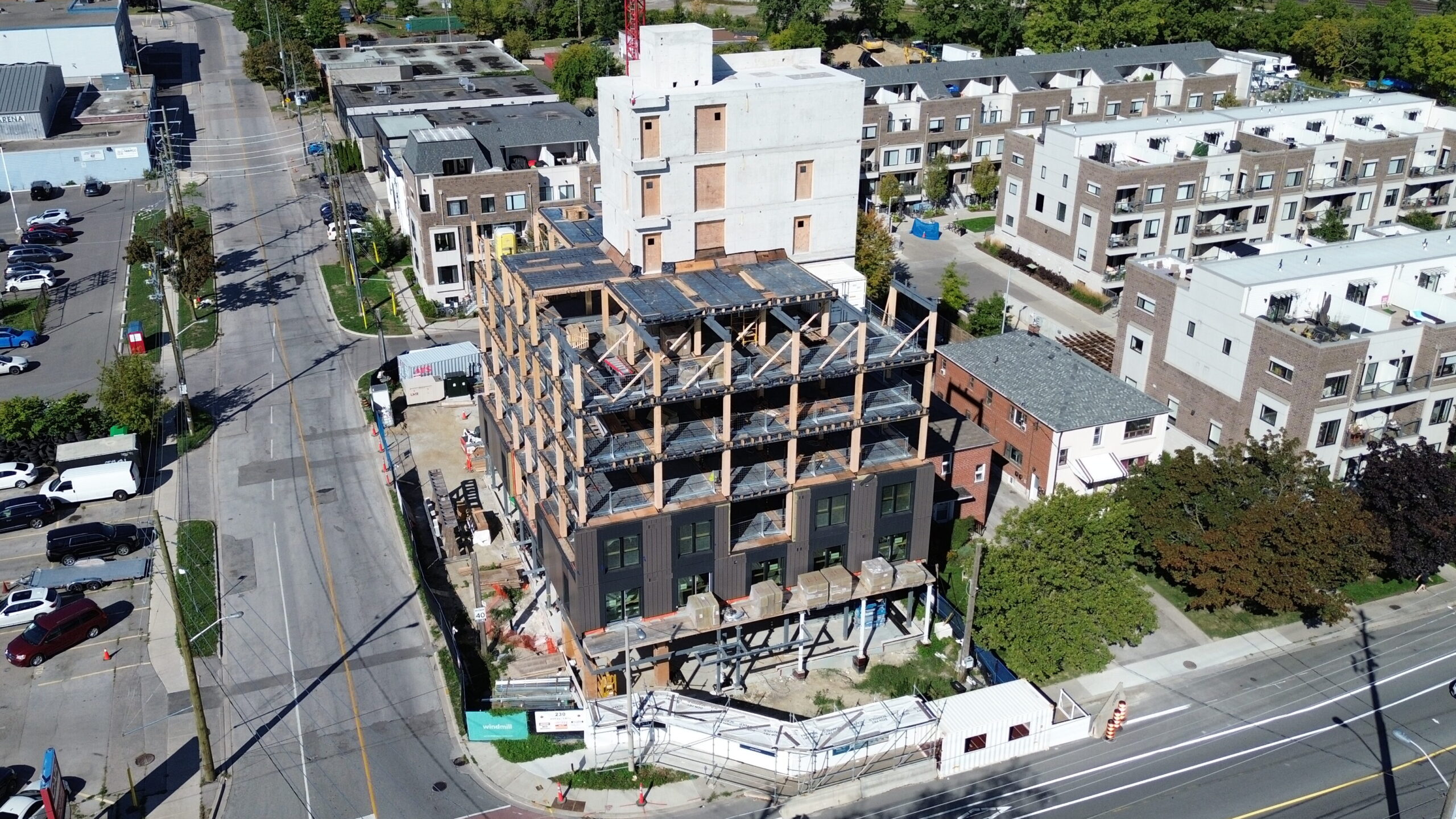
Establishing a consistent and well-coordinated grid is essential for streamlining the design process especially across the disciplines of architecture, structural engineering, mechanical engineering and electrical engineering. It is important to ensure the grids are aligned vertically in a building so that columns are stacked. In a stacked system, vertical loads are transferred directly from column to column between floors from the roof all the way down to the foundation. In some cases, full alignment is not possible, such as when a large open area is required on a lower level, for example an indoor swimming pool on the ground floor of an apartment building. In such as case, an transfer beam will be provided over the large open area to support the columns above where the transfer beam is still located along the grid line. The beam is used to transfer the column loads to the nearest neighbouring columns. On plan, the load path is much easier to read by having a regular grid pattern, so the flow of forces from the upper columns to the transfer beam and then to the columns below is clear to anyone reading the drawings. (Note: transfer beams are very common, however, they do add cost and can slow construction compared to maintaining the column line continuously from roof to foundation.)
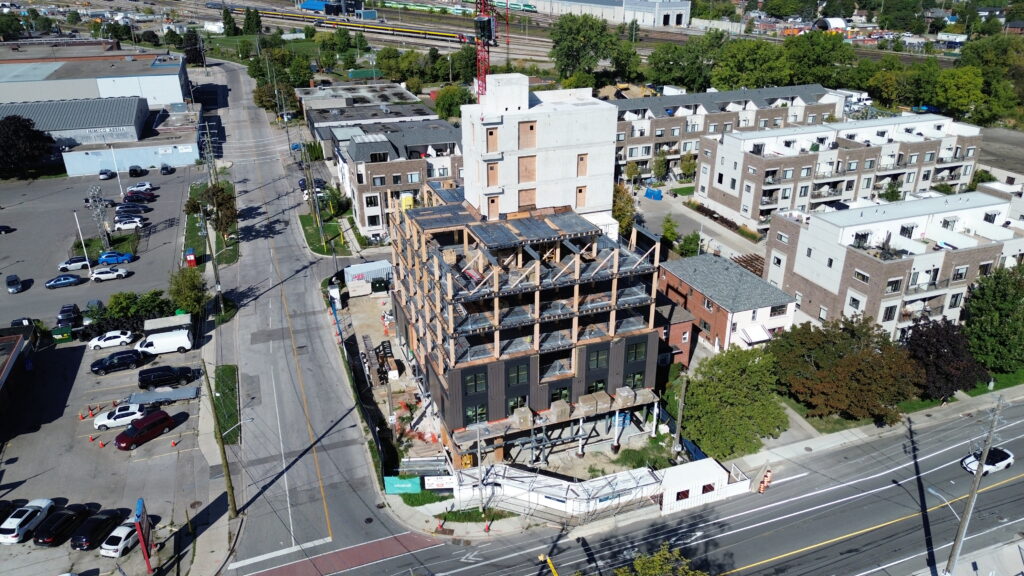
Since mass timber relies heavily on prefabrication and standardized elements, the continuity of column lines and structural lines along structural grid lines is critical to maintaining efficiency and reducing costs. Prefabricated mass timber buildings benefit from repetition of grids especially in tall wood buildings. With repetition, suppliers can fabricate faster, making it more cost-efficient for the project and minimizing the risk of on-site installation errors. Ultimately, whether it is a large multi-unit residential building, a multi-storey office building or a small single-family dwelling, a structural grid is a fundamental component that helps expedite the design and construction of structures.